The Synchronization of Identity Checks with Incentive Distribution in Switzerland's Regulated Virtual Gaming Environments
Geschrieben von Leon Carter · 15.9.2026
The Synchronization of Identity Checks with Incentive Distribution in Switzerland's Regulated Virtual Gaming Environments
Regulatory Framework Governing Swiss Virtual Gaming
Switzerland's Federal Act on Gambling, enacted in 2019 and fully operational since 2021, establishes strict requirements for licensed operators to align player identity verification with any distribution of incentives such as welcome bonuses or free spins, and data from regulatory oversight shows that this alignment prevents premature access to promotional funds while maintaining compliance with anti-money laundering standards.
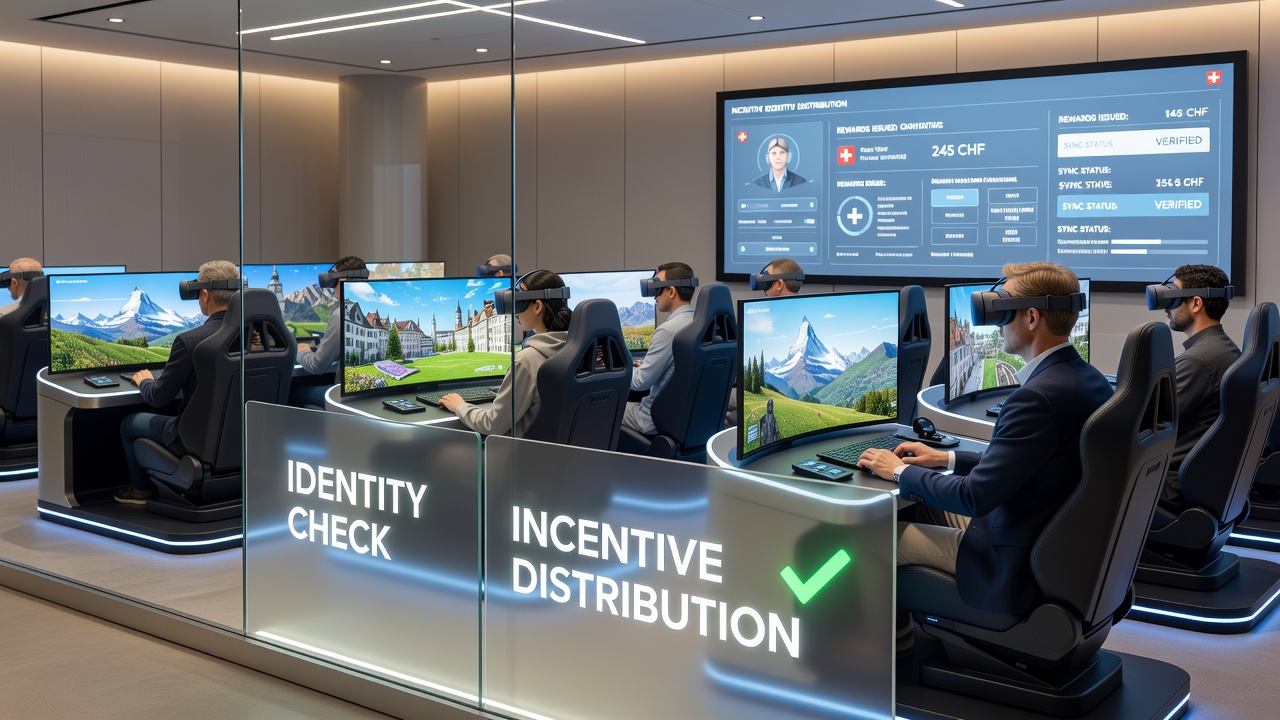
Operators must confirm a player's identity through official Swiss documents including passports, identity cards, or residence permits before incentives become available in player accounts, and this sequence ensures that no rewards activate until the verification step completes successfully across the platform's backend systems.
Technical Integration of Verification and Reward Systems
Platform software in Switzerland connects identity databases directly to bonus engines so that registration data flows into automated checks against government registries, and once confirmation arrives the incentive allocation triggers without manual intervention in most cases. Observers note that this linkage reduces processing delays from days to hours in efficient setups, whereas incomplete checks hold rewards in pending status until resolved.
Payment rails add another layer because Swiss banking regulations require verified accounts for any fund movement, and this extends to bonus releases which often tie into deposit matching or loyalty points that only credit after full identity approval clears the system.

One study revealed that platforms using API connections to federal identity services achieve higher synchronization rates, and this setup allows real-time status updates that prevent bonuses from distributing to unverified profiles during the initial account creation phase.
Sequence of Steps in Licensed Environments
Players begin with basic sign-up using email and personal details, after which the system prompts for document upload or electronic identification via approved Swiss e-ID methods, and only upon successful validation do incentives appear as available credits rather than locked features. Research indicates that September 2026 will see expanded digital ID pilots across multiple cantons which could further tighten this sequence by introducing instant verification for a larger portion of applicants.
Those who've studied compliance records find that operators conduct ongoing monitoring even after initial approval, and any detected discrepancies can pause future incentive distributions until re-verification occurs to uphold the regulatory chain from start to finish.
Role of Data Protection in the Synchronization Process
Swiss data protection rules under the Federal Act on Data Protection require secure handling of verification information during bonus activation, and this means operators store checked data separately from reward ledgers while still linking them through encrypted identifiers to maintain audit trails without exposing personal details unnecessarily.
Evidence suggests that cross-referencing identity records with incentive logs helps detect patterns of misuse, and licensed platforms report these findings to oversight bodies as part of routine compliance submissions that cover both verification success rates and reward release timelines.
Impact on Player Experience and Platform Operations
Take one researcher who analyzed operational reports from multiple licensed sites and found that synchronized systems cut down on support tickets related to delayed bonuses because players receive clear status notifications at each stage of the identity process. What's interesting is how this clarity encourages completion of verification steps early, leading to smoother incentive access once all checks pass.
Industry reports from sources such as the Swiss Federal Gaming Board document the average time from registration to verified bonus eligibility, and these figures show consistent improvement as operators refine their integrated tools over successive regulatory review periods.
Future Developments and Compliance Monitoring
Regulatory updates scheduled around September 2026 aim to standardize certain verification APIs across the sector, and this standardization could synchronize identity checks even more tightly with incentive distribution by reducing variations between different licensed platforms. According to data compiled by the Swiss Federal Act on Gambling documentation, ongoing audits track these metrics to ensure continued alignment with legal requirements.
Platforms that maintain robust synchronization report fewer compliance incidents, and this outcome stems from automated flags that halt reward releases until identity status updates resolve any pending issues in the verification queue.
Conclusion
The synchronization of identity checks with incentive distribution forms a core element of Switzerland's regulated virtual gaming environment, and it operates through interconnected technical systems that enforce sequential compliance at every stage. Data from oversight agencies continues to guide refinements in these processes, while scheduled advancements in 2026 promise further integration that supports both regulatory goals and operational efficiency across licensed operators.